

Writing the beginning
of a story is challenging under the best of circumstances, but doing so within
a five minute deadline seemed impossible and prompted
a pained groan from many of the RACWI members, myself included.
My first station was Action.

With the clock running, I put
the tip of Mickey Mouse pen to paper and wrote nothing. Mickey stayed frozen in
that position for a whole two minute as the pens of my fellow writers scribbled away furiously. For an action station, Mickey and I were not very active.
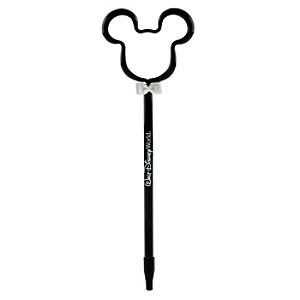
What to write? What to write? The question
repeated in my head. I came up blank and began
to panic as the writer next to me flipped over her paper to continue writing
her action beginning. I felt like I was drowning. Drowning! That’s a gripping action! With the final minute ticking down, I wrote
one line.
Johnny’s lungs began to burn,
aching to inhale, but hearing the muffled voices above, he knew that he must
not break the surface of the water, yet.
As I finished punctuating
my action line, the timer sounded. Happy that I’d been able to write something,
I headed to the next station: Mystery.
I tried to think of a fresh topic, but kept returning to Johnny. Why
he was scared to surface from the water? Intrigued, I wrote a mystery beginning with the same character
and situation.

20 seconds? 40 seconds? 60 seconds?
How long could Johnny hold his breath? Last summer at swim camp, he had held it
for 62 seconds before breaking thorough the chlorinated water gasping for air,
but at that time, he hadn’t been scared. Johnny shut his eyes in silent prayer that here
under the murky waters of Charleston Lake, he could hold it for longer.
With my action and
mystery beginnings in hand, I headed to the Character station and didn’t even wait for the 5-minute timer to be
set before starting. I still didn’t know why Johnny was hiding under water, but
I had learned more about him from the mystery station. I knew where he was and what
was at stake if he chose to stay under the water. What I still didn’t
know was what was at stake if he did surface. Who was this kid and what
motivated his actions?

Johnny carried the look of a beaten
dog, which was irresistible to the Brigadoon Gang. He was short, skinny and
cowered when approached. But as he clung to the sunken log in Charleston Lake,
waiting for the mocking voices to fade, his mind hatched a plan for revenge.
Our meeting concluded
with a sharing of our beginning lines, and although I never made it to all 6
stations, I did leave with three important things:
1.
An appreciation for writing exercises to
keep writing fresh
2.
An understanding of the power of a focused
beginning
3.
And the beginning of my first YA
manuscript, IN THE CREASE
Months of writing and years of revising altered the beginning of IN THE CREASE, but hints of all three beginnings can be still be found in the final draft.
Fitzy's lungs burned, aching to inhale, but
hearing the muffled voice above, he swam deeper. He groped along the river bottom for
something he could use as an anchor. His
fingers burrowed into a submerged log. It
crumbled in his grasp, and he floated to the surface.
In the end, I chose to go
with an Action beginning as it seemed
fitting for a story dealing with the fast-paced sport of lacrosse.

Every new story I
begin with Klein’s exercise in mind. I write
different types of beginning lines until I find the beginning
that best fits the story I intend to tell. For FINDING OBENO I chose a Character beginning. For SIGH, I went with Mystery.
What type of beginning introduces the reader to your story?
When deciding where to begin, what
approach do you take?


